This is a sample long article with repeated sections for site testing purposes only
Transforming a garden into a personal sanctuary shouldn’t feel like a chore, though the variables—climate, soil, and sunlight—can certainly make it feel that way. To help you navigate the sea of botanical options, gardening expert Jason Wilson has curated an expansive guide to 301 distinct flower varieties.
From resilient perennials and vibrant annuals to structural shrubs, this collection is designed to inspire every type of gardener. We’ve focused on specific species that offer unique colors and adaptable growth habits, while also providing deep dives into larger genera with standout cultivars.
Whether you are a seasoned horticulturalist or just getting your hands dirty for the first time, this alphabetical guide serves as your roadmap to a more beautiful landscape.
African Violet
Scientific Name: Streptocarpus ionanthus
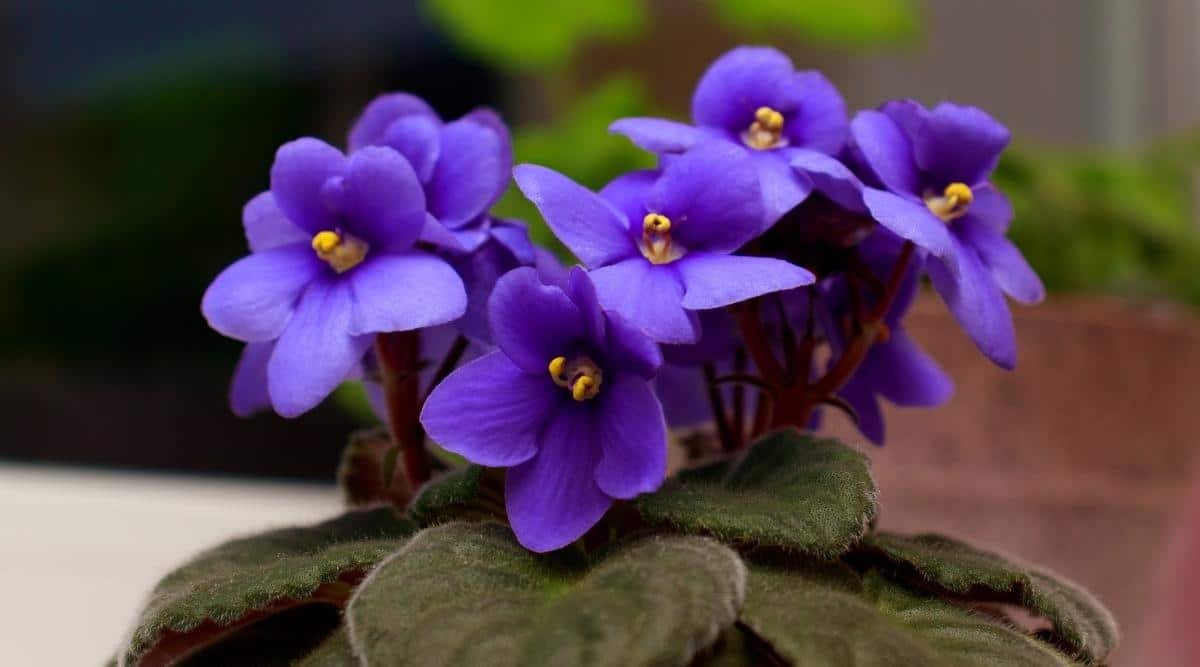
African violets are among the most beloved choices for indoor gardens. In their native habitats, most species thrive in mountainous regions under the protective canopy of larger plants. This natural environment means they prefer moderate temperatures and filtered light, conditions that are relatively simple to maintain within a home. Despite their popularity, some enthusiasts hesitate to grow them, as their specific care requirements can occasionally feel intimidating.
These plants offer a stunning palette, appearing in nearly every color with petals that often feature a frilly or fringed texture. Under bright, consistent lighting, they are capable of blooming almost daily. Their foliage is equally distinctive, typically presenting as green or variegated leaves with a signature velvety, fuzzy texture.
Amaryllis
Scientific Name: Hippeastrum spp.
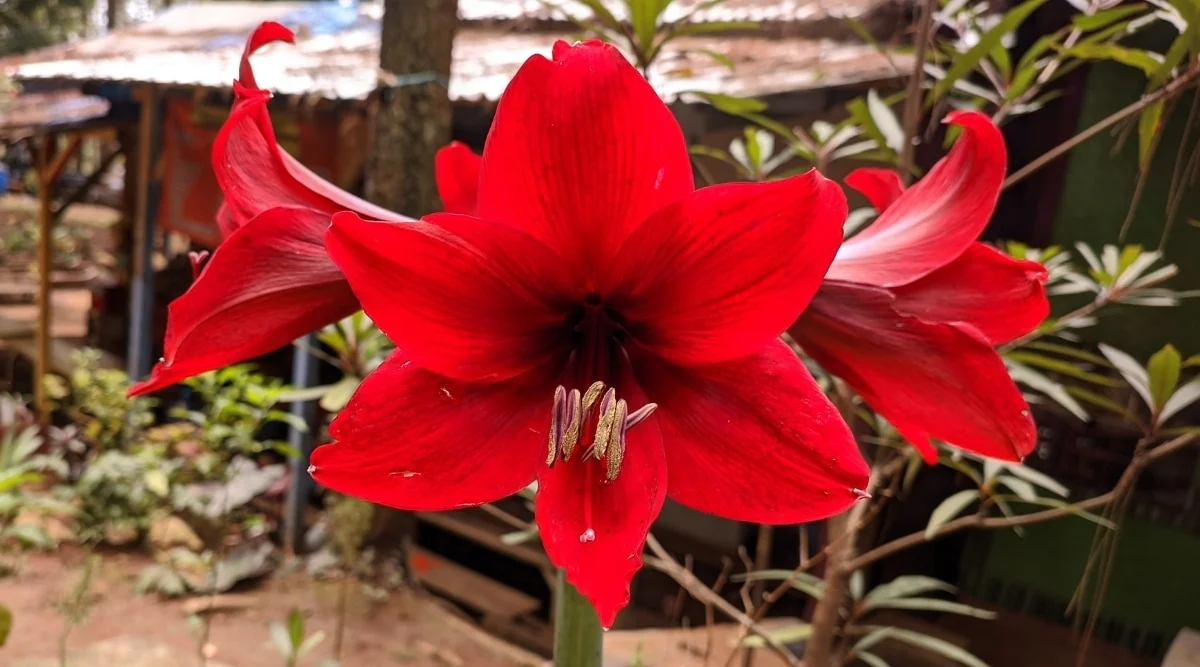
Due to their large, brightly colored blooms and sturdy stems, the Amaryllis is a favored gift during the Christmas holidays. These bulbs are categorized into five primary types: large-flowering, double-flowering, small-flowering, cybister, and trumpet. The most common variety is the large-flowering single Amaryllis, which typically reaches heights of up to 10 inches.
A key rule for these plants is that larger bulbs produce more stems and flowers. While they are primarily grown indoors, they can be planted outdoors in the Deep South. One of the most celebrated cultivars is the ‘Amaryllis Clown’, an award-winning variety known for its striking red-and-white stripes reminiscent of candy canes.
African Lily
Scientific Name: Agapanthus africanus
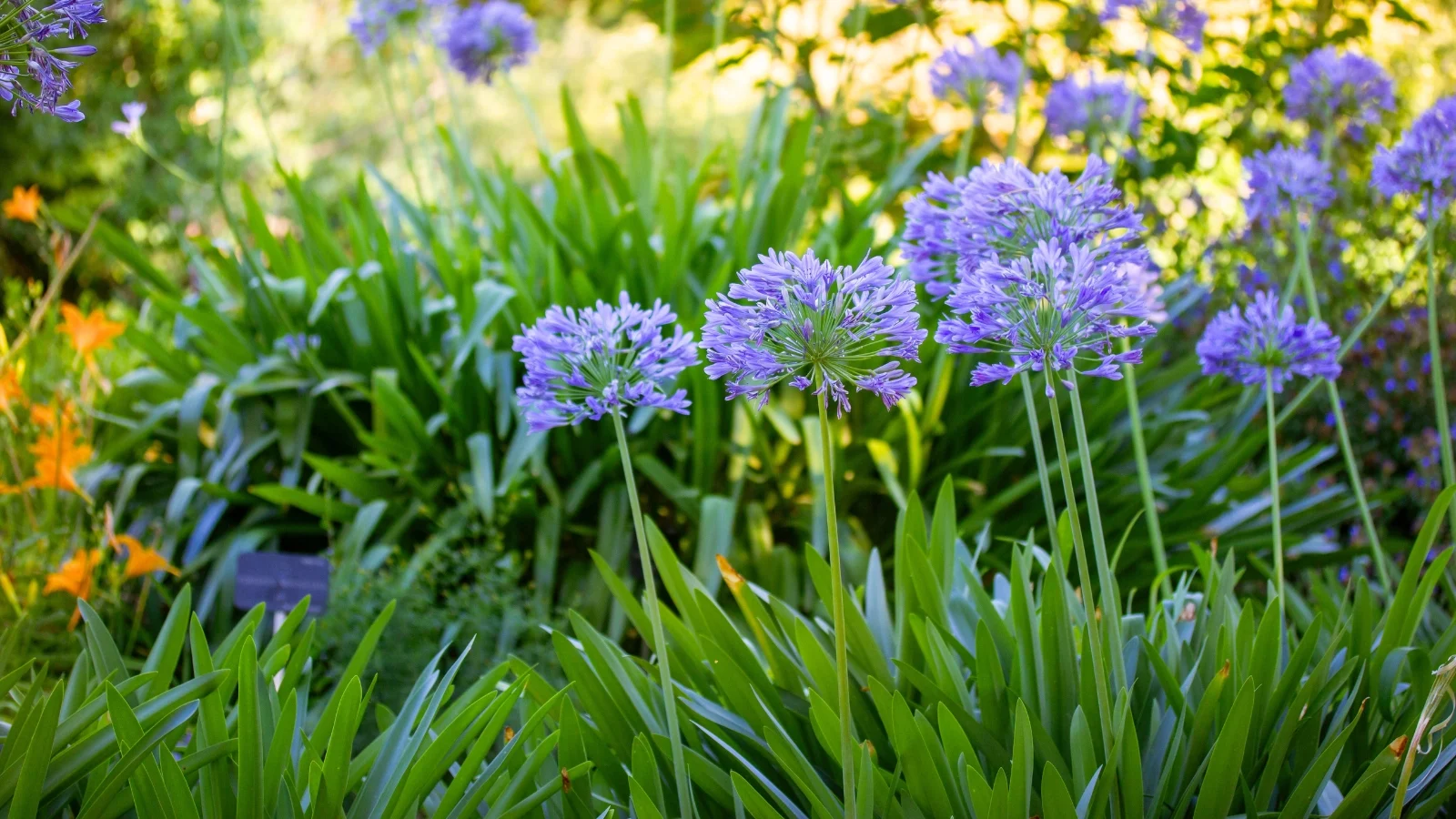
Known as the Lily of the Nile or the African Lily, Agapanthus africanus is a resilient evergreen perennial that adds structural elegance to any landscape. These plants typically reach heights of up to one meter, characterized by sturdy, upright stems topped with spherical clusters of blue, lilac, or white blossoms.
Each globe-like umbel consists of showy, trumpet-shaped flowers that flourish in full sun. Beyond their aesthetic appeal, these perennials are notably salt-tolerant; they withstand harsh sea winds with ease, making them a premier choice for coastal gardening.
African Daisy
Scientific Name: Osteospermum spp.
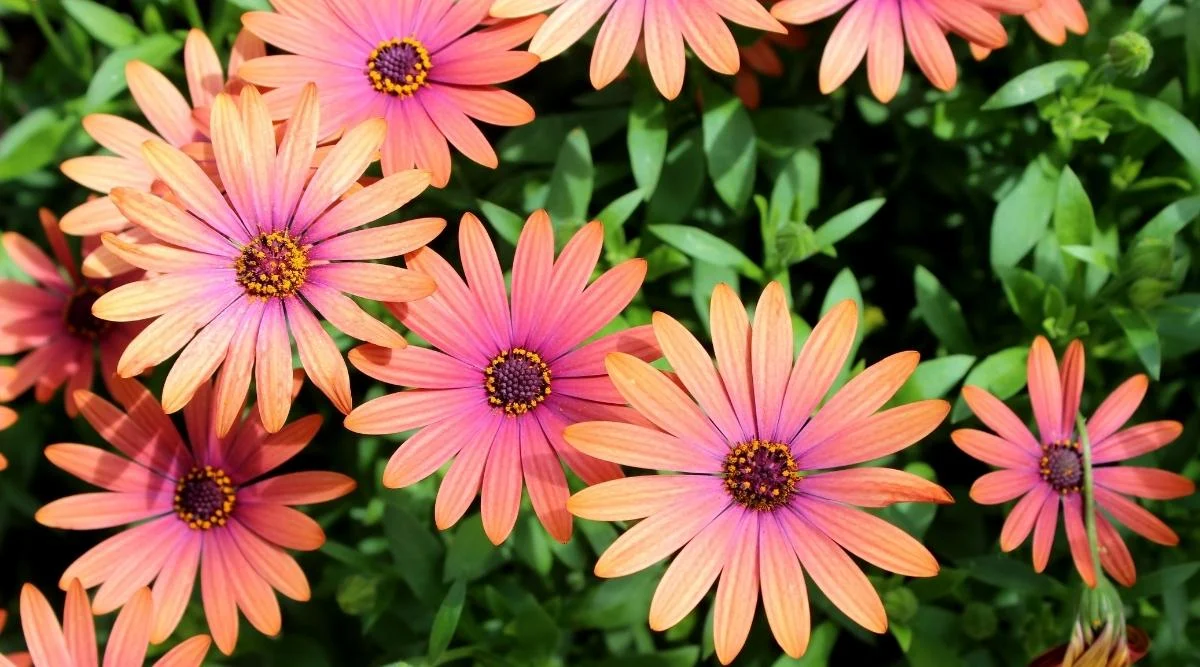
For gardeners seeking vibrant, reliable color from midsummer through autumn, Osteospermum is an exceptional choice. This diverse genus consists of approximately 70 species, with the Royal Horticultural Society (RHS) recognizing nearly 900 distinct varieties and cultivars.
Each stem produces a solitary bloom featuring a prominent central disc framed by radiant petals. While many varieties showcase solid colors, others offer striking variegated patterns or unique textures. While most petals are naturally flat, certain cultivars like ‘Sunny Philip’ are prized for their distinct spoon-shaped morphology. Depending on your specific hardiness zone, Osteospermum can be cultivated as either a hardy perennial or a versatile annual, and they are easily established from seed.
African Violet
Scientific Name: Streptocarpus ionanthus
African violets are among the most beloved choices for indoor gardens. In their native habitats, most species thrive in mountainous regions under the protective canopy of larger plants. This natural environment means they prefer moderate temperatures and filtered light, conditions that are relatively simple to maintain within a home. Despite their popularity, some enthusiasts hesitate to grow them, as their specific care requirements can occasionally feel intimidating.
These plants offer a stunning palette, appearing in nearly every color with petals that often feature a frilly or fringed texture. Under bright, consistent lighting, they are capable of blooming almost daily. Their foliage is equally distinctive, typically presenting as green or variegated leaves with a signature velvety, fuzzy texture.
Amaryllis
Scientific Name: Hippeastrum spp.
Due to their large, brightly colored blooms and sturdy stems, the Amaryllis is a favored gift during the Christmas holidays. These bulbs are categorized into five primary types: large-flowering, double-flowering, small-flowering, cybister, and trumpet. The most common variety is the large-flowering single Amaryllis, which typically reaches heights of up to 10 inches.
A key rule for these plants is that larger bulbs produce more stems and flowers. While they are primarily grown indoors, they can be planted outdoors in the Deep South. One of the most celebrated cultivars is the ‘Amaryllis Clown’, an award-winning variety known for its striking red-and-white stripes reminiscent of candy canes.
African Lily
Scientific Name: Agapanthus africanus
Known as the Lily of the Nile or the African Lily, Agapanthus africanus is a resilient evergreen perennial that adds structural elegance to any landscape. These plants typically reach heights of up to one meter, characterized by sturdy, upright stems topped with spherical clusters of blue, lilac, or white blossoms.
Each globe-like umbel consists of showy, trumpet-shaped flowers that flourish in full sun. Beyond their aesthetic appeal, these perennials are notably salt-tolerant; they withstand harsh sea winds with ease, making them a premier choice for coastal gardening.
African Daisy
Scientific Name: Osteospermum spp.
For gardeners seeking vibrant, reliable color from midsummer through autumn, Osteospermum is an exceptional choice. This diverse genus consists of approximately 70 species, with the Royal Horticultural Society (RHS) recognizing nearly 900 distinct varieties and cultivars.
Each stem produces a solitary bloom featuring a prominent central disc framed by radiant petals. While many varieties showcase solid colors, others offer striking variegated patterns or unique textures. While most petals are naturally flat, certain cultivars like ‘Sunny Philip’ are prized for their distinct spoon-shaped morphology. Depending on your specific hardiness zone, Osteospermum can be cultivated as either a hardy perennial or a versatile annual, and they are easily established from seed.
African Violet
Scientific Name: Streptocarpus ionanthus
African violets are among the most beloved choices for indoor gardens. In their native habitats, most species thrive in mountainous regions under the protective canopy of larger plants. This natural environment means they prefer moderate temperatures and filtered light, conditions that are relatively simple to maintain within a home. Despite their popularity, some enthusiasts hesitate to grow them, as their specific care requirements can occasionally feel intimidating.
These plants offer a stunning palette, appearing in nearly every color with petals that often feature a frilly or fringed texture. Under bright, consistent lighting, they are capable of blooming almost daily. Their foliage is equally distinctive, typically presenting as green or variegated leaves with a signature velvety, fuzzy texture.
Amaryllis
Scientific Name: Hippeastrum spp.
Due to their large, brightly colored blooms and sturdy stems, the Amaryllis is a favored gift during the Christmas holidays. These bulbs are categorized into five primary types: large-flowering, double-flowering, small-flowering, cybister, and trumpet. The most common variety is the large-flowering single Amaryllis, which typically reaches heights of up to 10 inches.
A key rule for these plants is that larger bulbs produce more stems and flowers. While they are primarily grown indoors, they can be planted outdoors in the Deep South. One of the most celebrated cultivars is the ‘Amaryllis Clown’, an award-winning variety known for its striking red-and-white stripes reminiscent of candy canes.
African Lily
Scientific Name: Agapanthus africanus
Known as the Lily of the Nile or the African Lily, Agapanthus africanus is a resilient evergreen perennial that adds structural elegance to any landscape. These plants typically reach heights of up to one meter, characterized by sturdy, upright stems topped with spherical clusters of blue, lilac, or white blossoms.
Each globe-like umbel consists of showy, trumpet-shaped flowers that flourish in full sun. Beyond their aesthetic appeal, these perennials are notably salt-tolerant; they withstand harsh sea winds with ease, making them a premier choice for coastal gardening.
African Daisy
Scientific Name: Osteospermum spp.
For gardeners seeking vibrant, reliable color from midsummer through autumn, Osteospermum is an exceptional choice. This diverse genus consists of approximately 70 species, with the Royal Horticultural Society (RHS) recognizing nearly 900 distinct varieties and cultivars.
Each stem produces a solitary bloom featuring a prominent central disc framed by radiant petals. While many varieties showcase solid colors, others offer striking variegated patterns or unique textures. While most petals are naturally flat, certain cultivars like ‘Sunny Philip’ are prized for their distinct spoon-shaped morphology. Depending on your specific hardiness zone, Osteospermum can be cultivated as either a hardy perennial or a versatile annual, and they are easily established from seed.
African Violet
Scientific Name: Streptocarpus ionanthus
African violets are among the most beloved choices for indoor gardens. In their native habitats, most species thrive in mountainous regions under the protective canopy of larger plants. This natural environment means they prefer moderate temperatures and filtered light, conditions that are relatively simple to maintain within a home. Despite their popularity, some enthusiasts hesitate to grow them, as their specific care requirements can occasionally feel intimidating.
These plants offer a stunning palette, appearing in nearly every color with petals that often feature a frilly or fringed texture. Under bright, consistent lighting, they are capable of blooming almost daily. Their foliage is equally distinctive, typically presenting as green or variegated leaves with a signature velvety, fuzzy texture.
Amaryllis
Scientific Name: Hippeastrum spp.
Due to their large, brightly colored blooms and sturdy stems, the Amaryllis is a favored gift during the Christmas holidays. These bulbs are categorized into five primary types: large-flowering, double-flowering, small-flowering, cybister, and trumpet. The most common variety is the large-flowering single Amaryllis, which typically reaches heights of up to 10 inches.
A key rule for these plants is that larger bulbs produce more stems and flowers. While they are primarily grown indoors, they can be planted outdoors in the Deep South. One of the most celebrated cultivars is the ‘Amaryllis Clown’, an award-winning variety known for its striking red-and-white stripes reminiscent of candy canes.